
At Scuba Center Asia, ocean protection isn’t a one-off event; it’s a habit. That’s why we organize a monthly community beach clean-up and Dive Against Debris (clean-up dives) on Nusa Lembongan. Not for a photo moment. Not for a checkbox. But because this island and the ocean around it deserve our continuous attention. It’s our legacy, our home.
In this article, we dive deeper into our monthly beach clean-ups.
Our monthly beach clean-ups are open to everyone.
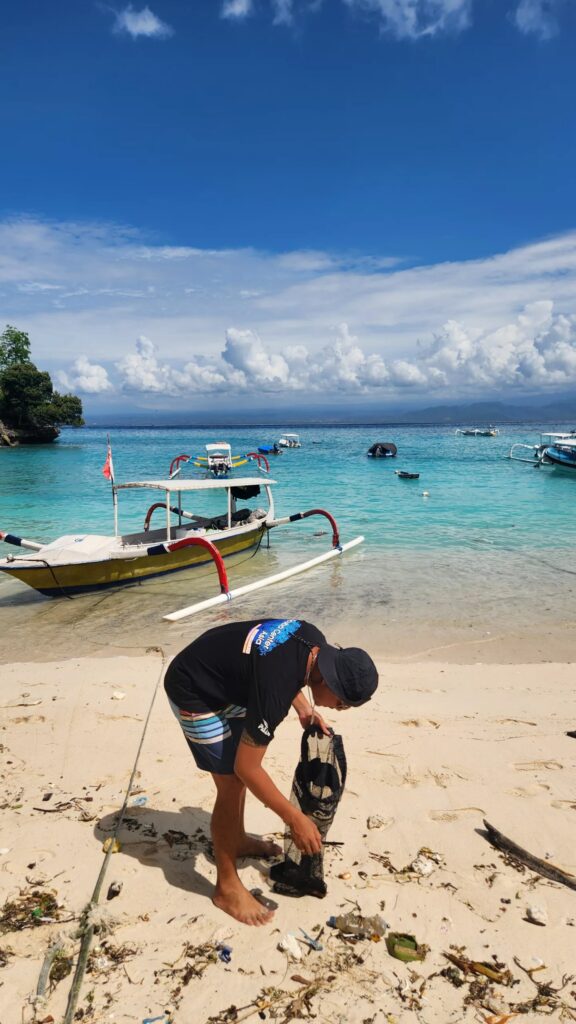
Divers, non-divers, locals, expats, surfers, and anyone who feels connected to the ocean.
This is not about us. It’s about us together.
We love seeing the island come together, dive centers joining forces, surfers stepping in, yoga students giving back, and travelers who’ve just arrived realizing they can already make a difference. For us, it’s simple: as a community, we can make a difference!
Monthly beach clean-up | When & Where We Meet
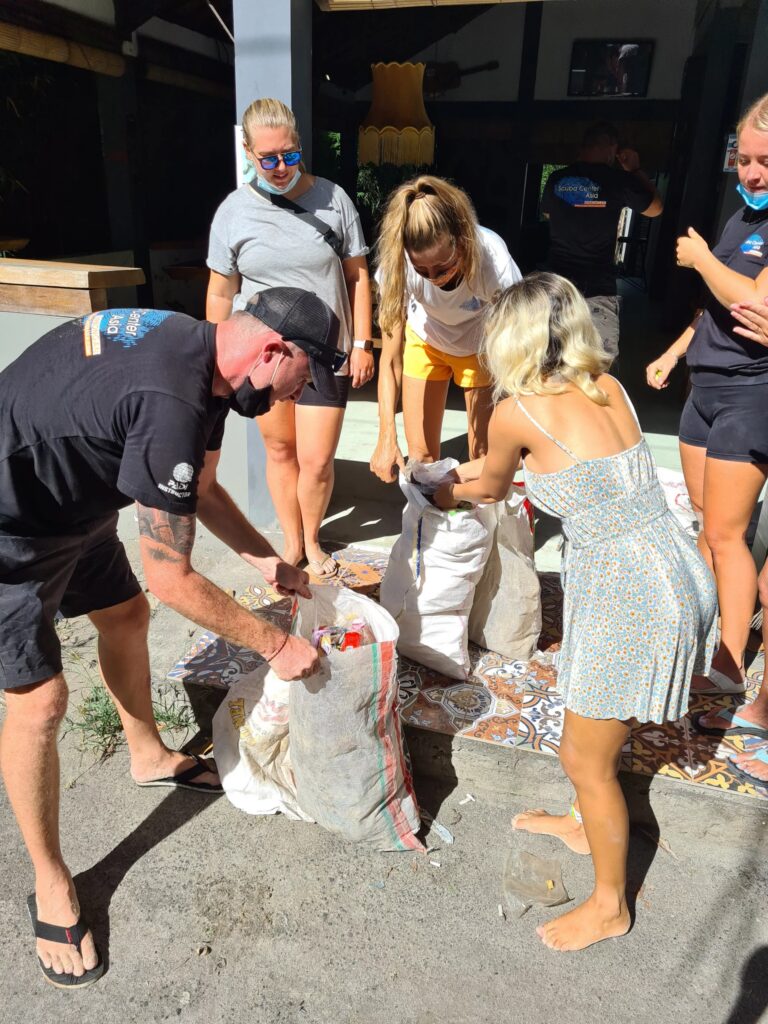
Making It Count | Recycling With Purpose
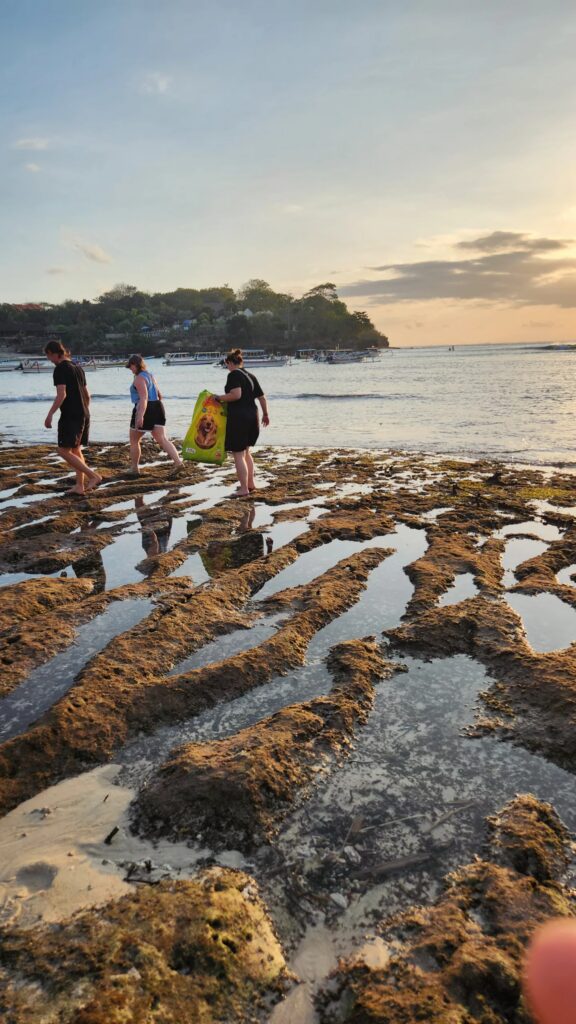
We believe that “Divers don’t just visit the ocean, they protect it”. Nowadays, even more than a few years ago. Let’s have a look at the following!
From awareness to action | how your relationship with the ocean changed
Let’s have a closer look at how our, read yours, perception of the ocean changed throughout the years! And how proud we can be of taking action like our monthly beach clean-up now more than ever before.
1. Awareness – Understanding That the Ocean Is Not Untouchable
In the 1960s and 1970s, environmental awareness entered public consciousness for the first time. People began to realize that pollution and human activity could damage nature. At this stage, the ocean was still seen as vast and endless, but the first seeds of responsibility were planted. Scuba diving was still not really out there among the public.
Scuba diving was a niche activity for adventurers and scientists, focused on exploration and discovery, with little conversation around environmental impact
2. Emotional Connection – Falling in Love With Marine Life
During the 1980s and 1990s, the ocean became personal. Whales, dolphins, turtles, and coral reefs appeared in documentaries and media, creating emotional bonds with marine life. People started caring not just about nature, but about the life living in it.
As underwater imagery reached the mainstream, scuba diving evolved into a bucket-list experience, driven by fascination with marine life rather than responsibility for its protection. In other words, men haven’t thought of a monthly beach clean-up yet. Interesting fact: one of our SCA founders got certified in 1995!
3. Visibility – Seeing the Damage Clearly
The early 2000s brought undeniable proof. Coral bleaching, plastic pollution, and overfishing became visible through global media and underwater footage. The impact was no longer theoretical; it was happening right in front of us.
With reef damage and pollution becoming visible, dive centers began talking about conservation, but sustainability was still more of a message than a practice.
4. Personal Responsibility – From Watching to Doing
In the 2010s, the shift became personal. Social media, community clean-ups, and diver-led conservation showed that individual actions matter. The ocean was no longer “somewhere else.” It became something people felt responsible for protecting.
Divers started to see themselves as ambassadors for the ocean, choosing dive centers that promoted ethics, education, and active conservation. Interesting fact, in 2010 Scuba Center Asia got created…and our founders were already very actively involved with PADI AWARE and educating beginner divers about the beauty of the ocean.
5. Urgency – Protection as a Way of Life
Today, ocean protection is no longer a trend; it’s a necessity. Climate change, warming seas, and reef loss have made it clear that the health of the ocean directly affects our future. For many, especially divers, protecting the ocean has become part of their identity.
At this point in time, scuba diving is a normal sport for everyone. And we are so happy it is. Because once you truly experience the ocean, caring for it becomes second nature.
SCA monthly beach clean-ups are part of a bigger picture
Our monthly beach clean-ups are part of a bigger picture: a long-term commitment to conservation, education, and community, both above and below the surface. And every small action adds up. That is why we host a beach clean-up every last Saturday of the month. Open to every single person who wants to be part of it.
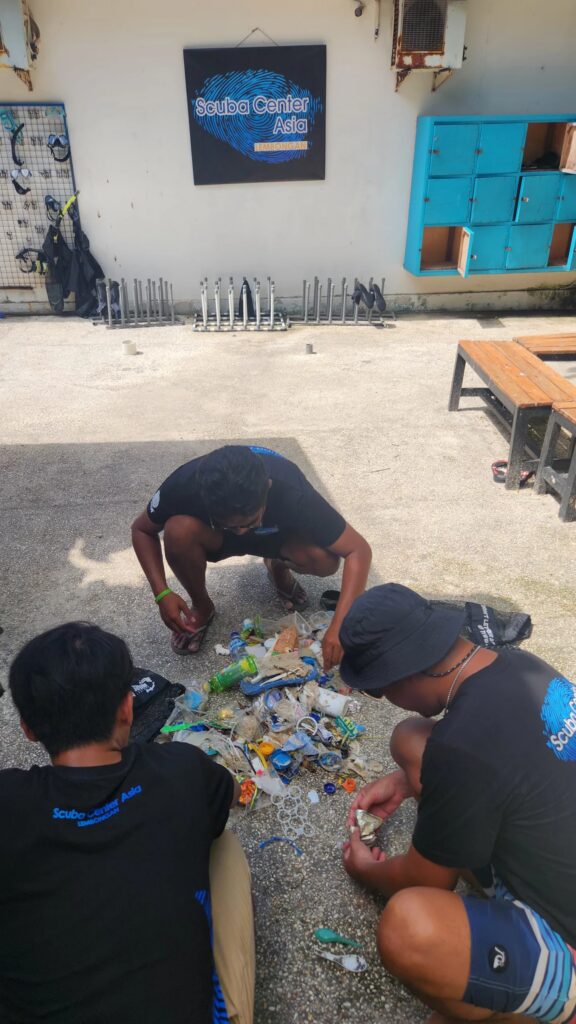
Our monthly beach clean-ups are part of a bigger picture: a long-term commitment to conservation, education, and community, both above and below the surface. And every small action adds up. That is why we host a beach clean-up every last Saturday of the month. Open to every single person who wants to be part of it.
Why Scuba Divers Should Care
As divers, we see the ocean differently. We don’t just swim through it; we enter its world. As a dive professional, the ocean is our office. We witness healthy reefs full of life, but we also see damaged coral, drifting plastic, and marine life affected by human impact.
What happens on land never stays on land.
Every piece of trash left on the beach has the potential to end up in the ocean, on the reef, in a manta’s feeding path, a turtle’s mouth, or inside the food chain we are all part of.
As a diver, we unfortunately witness this too many times. This is why these monthly beach clean-ups (and clean-up dives) are so important! And as a diver/dive professional, we feel that responsibility.
By joining beach clean-ups, divers:
- Protect the dive sites they love and depend on.
- Reduce the risk to marine life from plastics and debris
- Lead by example for non-divers and future generations
- Strengthen the connection between diving and conservation
- Become part of the solution, not just observers.
Want to Join the Next Scuba Center Asia Beach Clean-up?
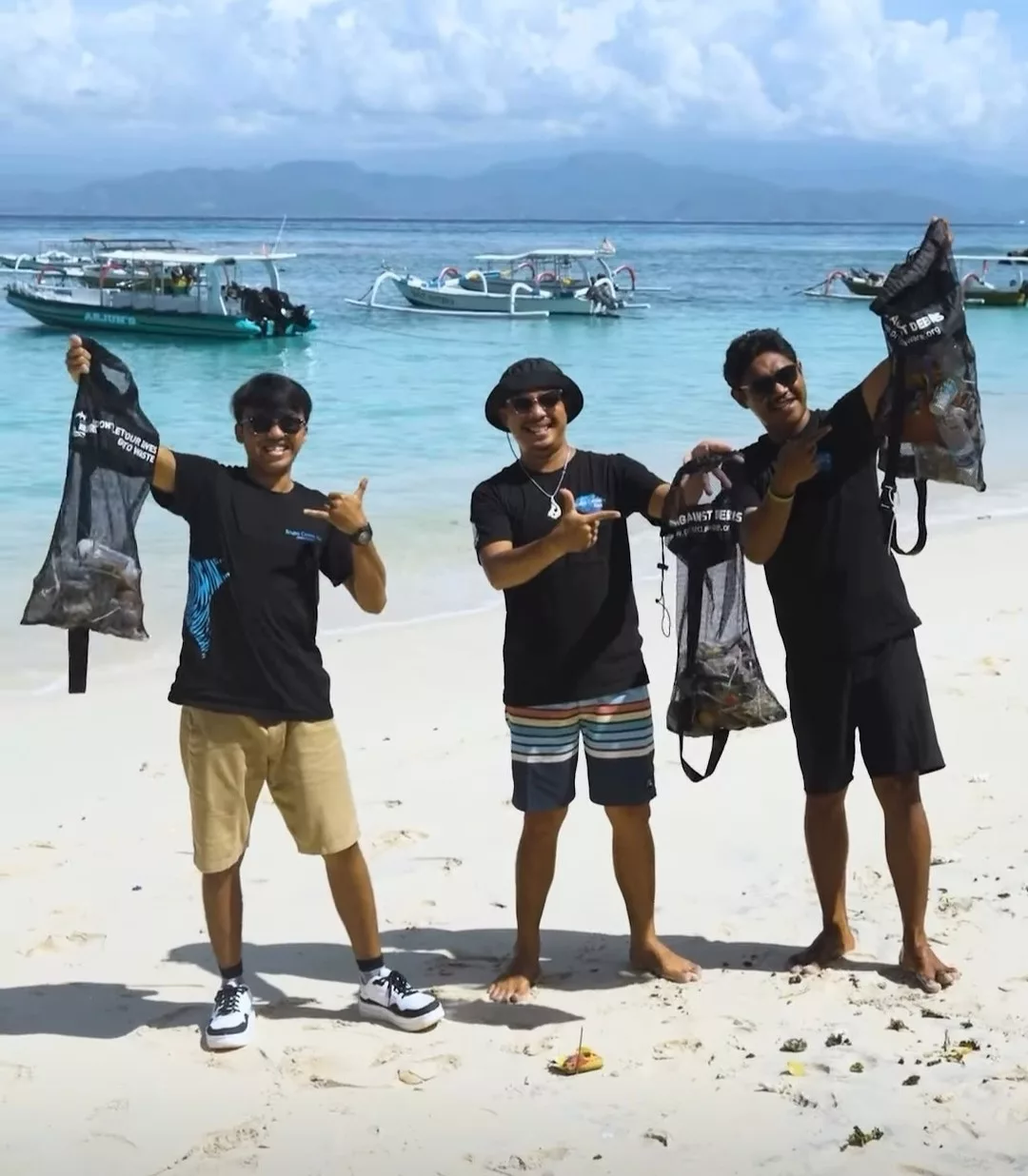
You don’t need experience. You don’t need to be a diver.
Just show up with good energy and a willingness to help.
📍 Meeting point: Scuba Center Asia, Main Street Mushroom
🕟 Time: 4:30 PM
🌍 Who: Everyone on the island
Because this is our home.
And protecting it is simply what we do.